|
|
| Popular Authors |
- Jayzee Tan
No popular authors found.
|
|
Welcome
to Green-Tea.com!
Many Chinese and Japanese people have been
drinking green tea for centuries for all the positive aspects
that it brings to your health.
This has spread to people worldwide and it
is now the second most popular beverage in the world.
Green tea is said to have many health benefits,
including lowering your cholesterol, boosting your immune system
and helping to prevent cavities and tooth decay.
Recent News
Recent Articles
»
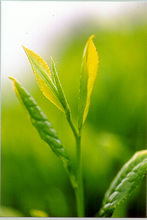
Green tea acts as a functional food
|
Discussions of food normally were focussed on its nutritional conten and its flavor. Recently, however, more attention is being paid to the role of food in bio-regulating functions. Foods that possess this regulatory function are called "functional food." Dr. Inaba(#20) classifies food by function. If we classify green tea and green tea catechin according to this table, they possess the following functions : (1) bio-defensing function by preventing cancer through fortification of the immune system, (2) disease-preventing function by preventing high blood pressure or diabetes, (3) disease-recovery function by inhibiting the rise of cholesterol, (4) physical rhythm-controlling function by stimulating the central nervous system with caffeine and (5) aging-suppressing function by roviding the body with antioxidants.
|
»
Green tea fights virus
|
|
Dr. Okada(#17) has noted the fact that tobacco growers use an exudat of green tea to prevent crop damage by the tobacco mosaic virus an verified that green tea catechin suppresses the growth of this virus. I addition, Prof. Shimamura(#18) has determined that green tea catechin and theaflavin (an oxidized form of catechin) present in black tea have a stron effect on the influenza virus. Green tea catechin and black tea theaflavi directly act on the influenza virus and inactivate it. It appears, therefore, that gargling with green or black tea is very effective in preventing influenza. This effect is increased by keeping the green tea catechin and the virus in contact as long as possible.
|
»
Green tea stops cavities
|
|
Dental techniques have improved greatly in the past few years, but once teeth have been damaged by cavities they can never be restored to their original condition. It is of the highest priority, therefore, to prevent cavities from developing in the first place. By the end of the 19th century, it had been determined that cartes are caused by cariogenic bacteria. The cariogenic bacteria first produce non-watersoluble glucan from sugar or other foods, and this glucan adheres to the tooth enamel as hard plaque. Next, they feed on sugar to generate acids such as lactic acid in the plaque. These acids then dissolve the tooth enamel. That in brief is the mechanism of cavity production.
|
»
Green tea deters food poisoning
|
|
Green tea deters food poisoning It has long been known from experience that green tea has the ability to kill bacteria. Consumption of strong green tea, for example, is often recommended as a good treatment for diarrhea.
Dr. Hara(#13) has shown in his research that catechin is a powerful sterilizing agent for many types of bacteria that cause food poisoning.
|
»
Green tea refreshes the body
|
|
Tea contains caffeine which, when taken in the proper quantity, simulates every organ in the body. It has a particularly strong effect on the central nervous system, heart and liver. This reaction is even more pronounced when one is sleepy or tired. A cup of tea or coffee will help clear a dull mind after rising in the morning or after a prolonged period without sleep. The power to stimulate and awaken the mind comes from caffeine. It is also said that the amount of caffeine contained in normal servings of green tea can stimulate the skeletal muscles and facilitate muscular contraction. For this reason, it is quite helpful to drink tea or coffee in the middle of work to refresh the mind and restore the body.
|
No articles found.
|
|

/Images/icon_Blogs.gif)
/Images/icon_Authors.gif)
/Images/icon_Author.gif)
/Images/icon_Login.gif)
/Images/icon_Article.gif)
/Images/icon_MyArticles.gif)
/Images/icon_FullStory.gif) full story
full story/Images/icon_Print.gif) printer version
printer version